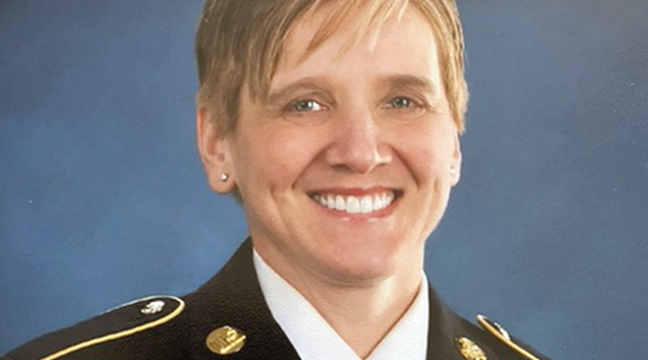

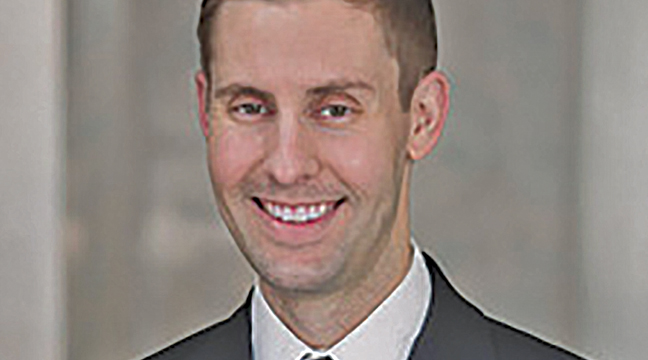
(Editor’s Note: The following article was submitted by Patrick Shipway, Becker Public Schools Director of Instructional Technology)
Social media is all around us and can have many different effects from depression and anxiety to inspiring others to collaborate and change the world. Where we end up depends upon the actions we take today. The average American spends about 2.5 hours of time each day on social media. After spending significant time on social media many people are found to report poor mental health, anxiety and depression. Why is that you might ask? There are a few common reasons:
Unrealistic expectations. Many people don’t put a full, honest version of themselves on social media and so what you see is a mocked up “perfected” version of them and their lives. This makes you think your life is worse than theirs based on what you see from their less than honest posts.
What can you do? Attempt to follow people that actually give full, honest versions of themselves; the good, the bad and the in-between. Things that make you empathize with them and not envy them. If the only feeling you have after seeing their posts is envy or jealousy, remove them.
Unhealthy sleep patterns and addiction: Most people tend to be on their phone, and often social media too late into the night, and the blue light coming from your phone will make it harder to fall asleep furthering the issue. Beyond that, each notification makes you want to pick it up again. Did you know that the human brain reacts the same way to a new phone notification as it does when an addict gets a hit of a drug?
What can you do? There are three things here that will help tremendously. First, turn off notifications for all of your social media apps on your phone. Second, limit your time on these apps by setting up screen time on your iPhone (http://tiny.cc/sleep-ios) or Digital Wellbeing on your Android phone (http://tiny.cc/sleep-android). And last but not least, create a central charging location for all of your household’s devices. For those of you with children, I really like the kitchen as it’s usually quite visible and centrally located.
Cyberbullying. The fact that social media is often done on a phone, behind the scenes, and without seeing other people’s faces and emotions can make people feel more disconnected and more likely to be cruel in their interactions with others, especially kids. Those that endure cyberbullying often have increased stress levels and decreased success in other aspects of their lives.
What you can do? Make sure that the privacy settings for all social media accounts are set to private so random people can’t insert themselves into your digital life without your permission. Connected to this is to check the location sharing settings of the app; you don’t want to let the world know where you are just because you are watching a video. Make sure that the things you are posting don’t contain personal information that makes you easily identifiable and what you post is positive or at least don’t open yourself up to attack.
Now assuming this dangerous sword hasn’t scared you away yet, I’d like to flip it over and talk about how it can also be used to carve us a beautiful future. A future in which people don’t feel alone, where we learn, grow and connect with others, and where we can make an impact locally and globally. Let’s explore this side of this cutting edge technology.
If our time in the pandemic has shown us anything it is that we as humans are social creatures. And while most things are back to being in person, if the things you are most passionate about are not readily available around you, there are likely countless groups around the world you can find focussed around that topic by searching for groups or searching different social media hashtags. These can also be a great way to explore new topics that you might be interested in and explore what is out there.
Social media can allow us to connect with people who we normally wouldn’t, and allow us to make a difference in their lives. An example includes students raising funds for a northern Canadian community that couldn’t afford basic supplies. Another is a high schooler who created an Instagram account to compliment the students at his school and made a major shift to the culture. Or we could talk about a seven year old who is promoting her love of reading, STEM, and sharks for kids everywhere from Twitter to Instagram and traveling the world while raising money for breast cancer. While you can learn to use social media well at any age, students continue to impress me with the impact they can make when given the opportunity and the technology to do so.
As we look to the future, Becker Public Schools is motivated by these students to ensure that we continue to focus on using social media and our other technology to improve both our students’ lives and others around us. We have science teachers with students posting their new learning online to our own inter district penpals and more. We are striving to incorporate more of our technology into lessons so that they not only apply to but affect the outside world. The takeaway here is that whether you are seven (with parental or teacher help) or 70, if you make the right decisions with social media, you can make the world a better place.