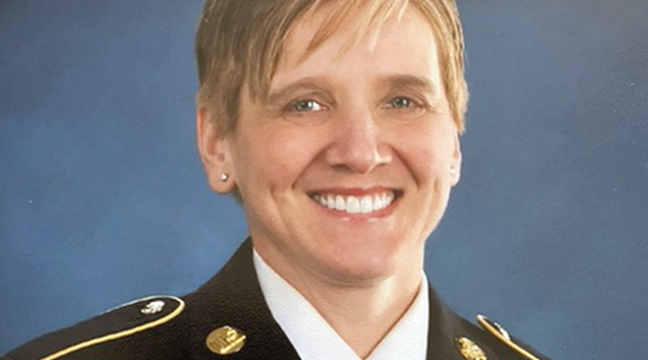


The other day, I had the honor of speaking with Superintendent Tim Truebenbach of the Big Lake School District. We were chatting about underage drinking and the PCN (Positive Community Norms) grant that is distributed by the state to help decrease underage drinking.
I think that diminishing underage drinking is something that everyone in the community can help to achieve. It starts with the employees of our local liquor stores and bars. I am 25 years old, and, being so young, I will never be offended if someone wants to card me. But I’m surprised by the number of times I’m not asked for my card. I won’t name names, but there are some local businesses that could step up and try to make this more of a priority. Card everyone!
I have heard, from a trusted source who used to work in a liquor store, that some customers get upset and raise a fuss over being carded. Don’t be that person. If you are buying alcohol, being carded should be as expected as having to pay for your purchase. Show your card and get on with your day. Forgot your card? That doesn’t mean the store or bar needs to work with you, just as they wouldn’t accommodate you if you forgot your money at home.
And another tip to the consumers: show your card even if you weren’t asked for it. I have done this before, and I usually see the cashier get this surprised look on their face, like, “Oh, yeah, I should have asked for that!” It’s a great way to give a gentle reminder. After all, we’ve all had long days at work when we forget to do the most basic steps of our jobs. We feel silly, but that doesn’t mean we need to be yelled at or reprimanded – just reminded.
Next, let’s try being there for the kids. Mental health issues among teens, and among the population as a whole, are on the rise. But teens don’t know how to deal with these problems, as they’ve never before been exposed to them. And their brains are still forming. They’re primed to seek out drugs that can silence the racing thoughts, and are in a perfect situation to form a life-long addiction. Encouraging them to seek connection rather than substances will help them avoid making mistakes they can’t take back. Let’s train students on how to reach out to trusted friends and adults when they’re feeling confused, depressed, or anxious. How do we do that? Simple: we have to do so for ourselves, first. Studies have shown that kids and adolescents learn way more about how they should behave from watching the adults around them than from any lessons that are drilled into them. So, if you are feeling confused, depressed, or anxious, reach out to a pal, partner, parent, or professional. And reach out to the teens in your life, too. Don’t put the burden on them to help you through your time of need, but let them know that these feelings are normal, that they come and go with life’s ups and downs, and that reaching out to the people around them, rather than reaching for a bottle, is the best way to get through it.
Now, I know what you’re thinking: Katie’s 25 years old, what the heck does she know about parenting teenagers? I know exactly squat. But I’ve been a teenager, and I am coming to understand how people work better. Besides, this article is not really meant to give advice, but rather to raise awareness, state my opinion, and start a conversation. Do you disagree with me? Write a letter to the editor! Talk to your neighbors about it! The greatest thing about having freedom of speech is that we can all share our opinions and learn from one another.
Thanks to Mr. Truebenbach for including me in this conversation. I hope he will continue his hard work of promoting healthy choices among Big Lake students. Thanks for everything you do, educators everywhere!